
Your Subscribe Button is Broken on Purpose
The follow button still works. The contract underneath it is gone.

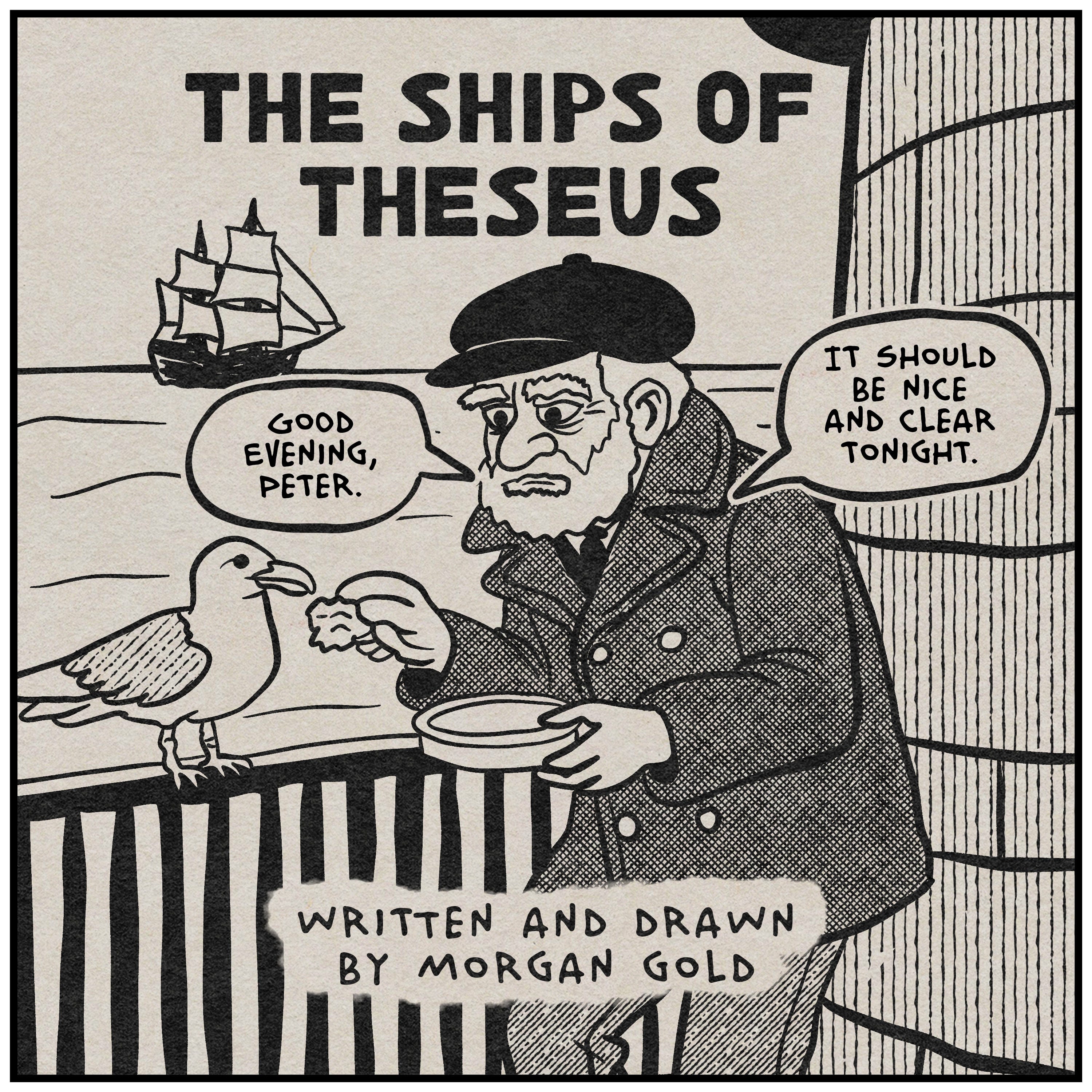
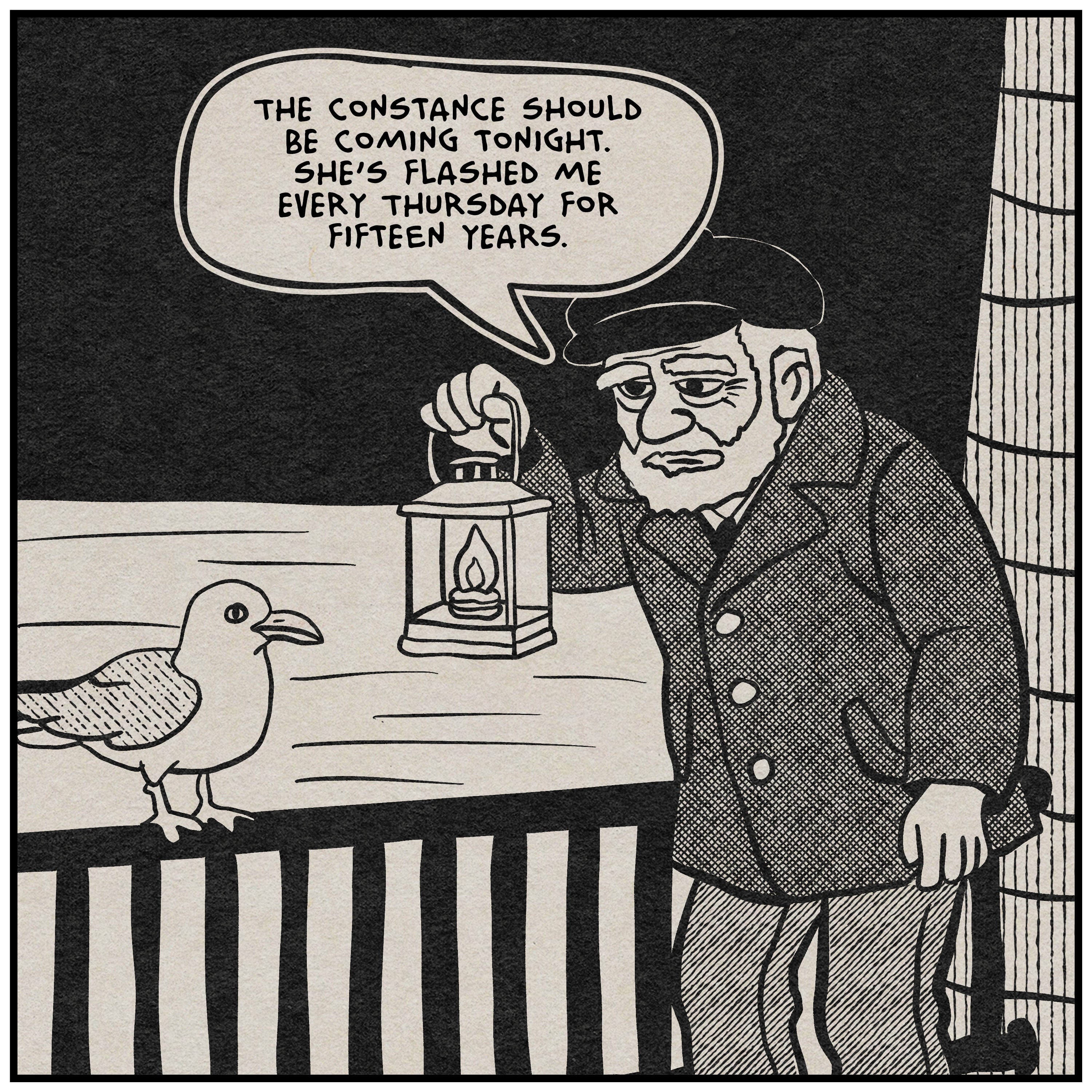
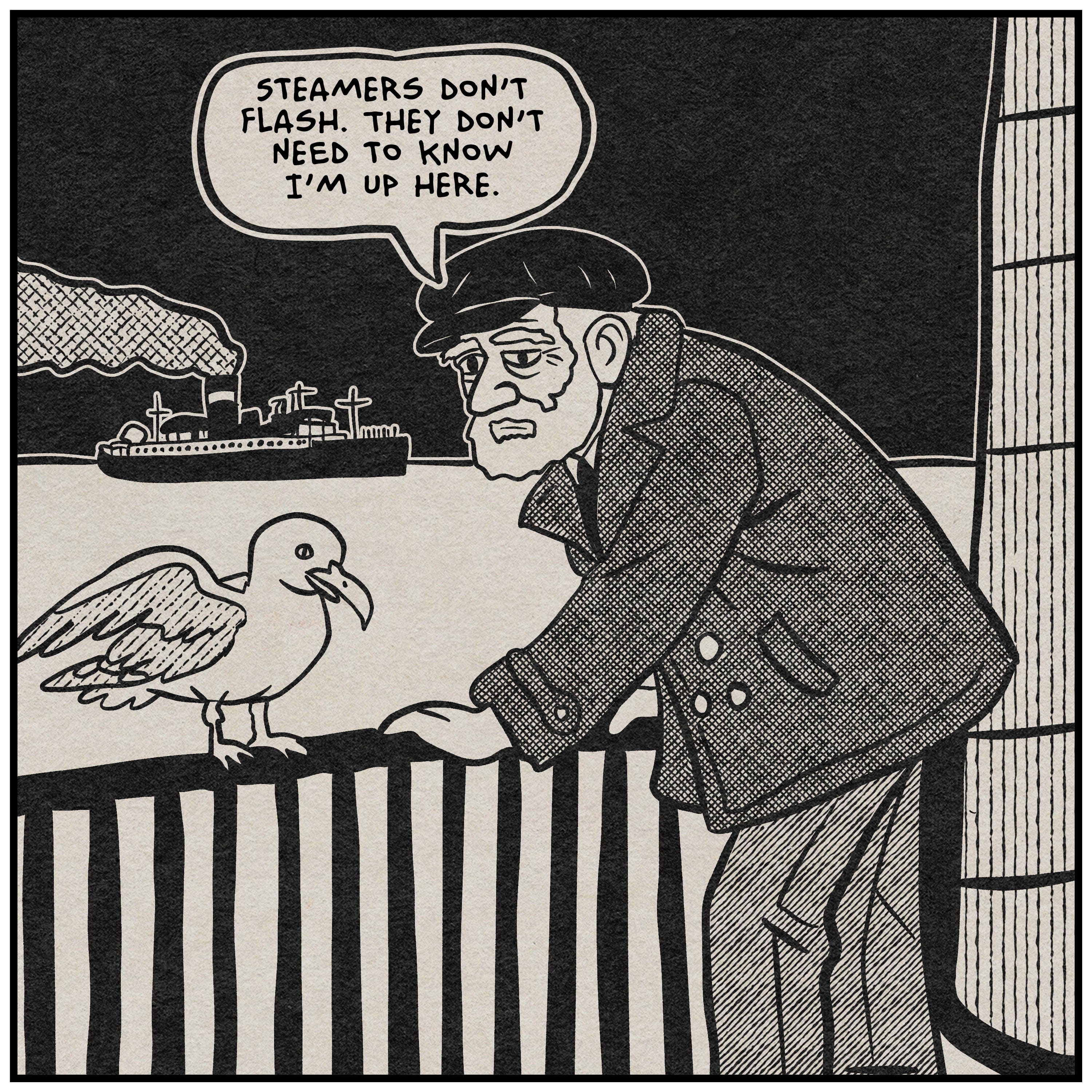
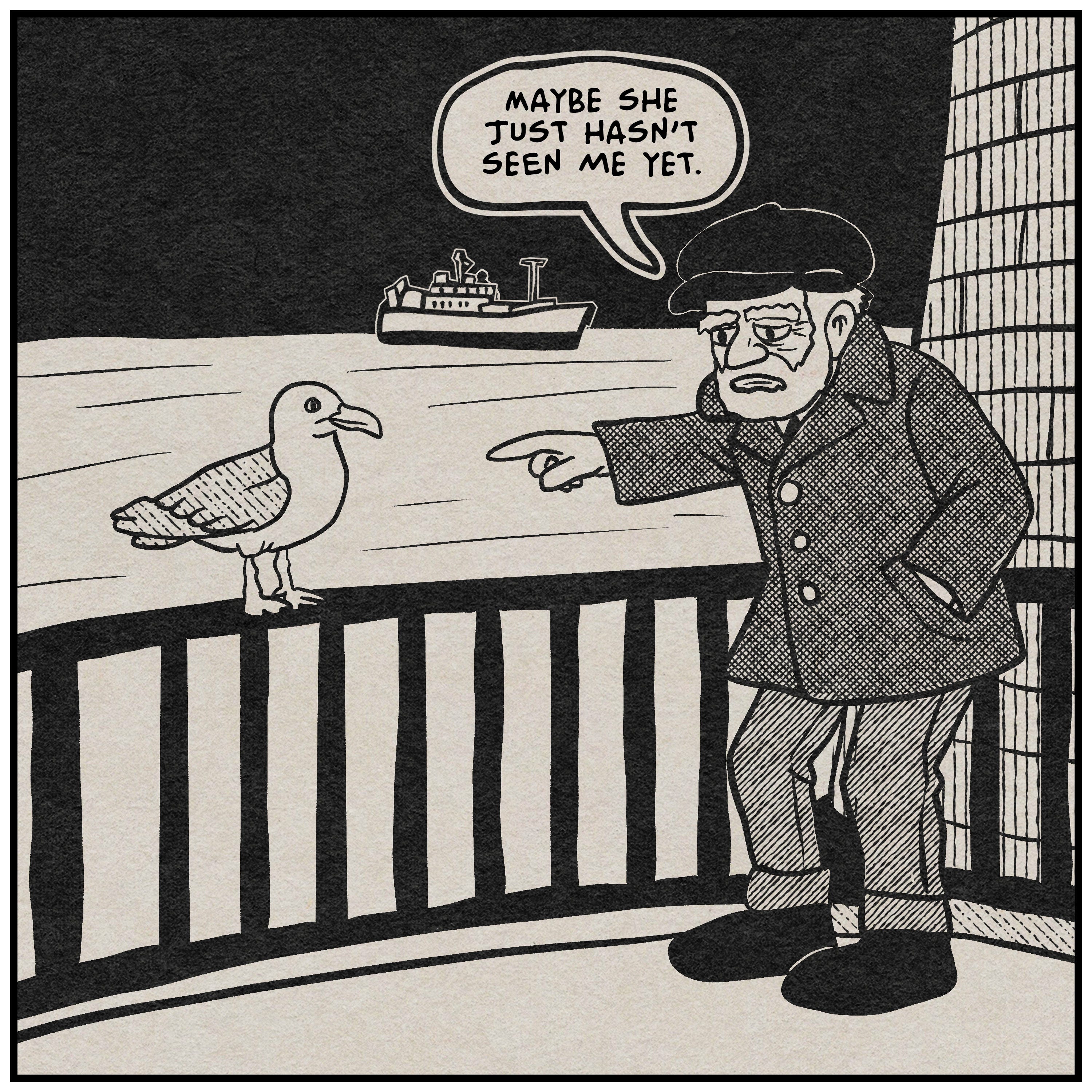
Feed of Theseus
The follow button doesn’t mean anything anymore.
Neither does the subscribe button.
The number under my name on the TikTok app says somewhere over two million. A small fraction of those two million ever sees any given thing I post. Who sees your videos now is generally the result of lightning-fast arbitrage between what the last 25 videos a person watched suggest they want and what the performance of your last 15 videos suggests you can deliver.
When I started posting on YouTube in 2018, the people who hit subscribe got a notification when I uploaded. The video showed up in their subscription feed. They watched it. The comments under any given video came from the same handles every time. I didn’t know them in real life—but I knew their handles, and they knew each other. It was a room of people who’d picked me, and the platform put my work in front of them when I made it.
That contract is gone. The button is still there. It now serves a role similar to the walk button on a crosswalk or a close door button on an elevator. It makes a viewer feel more connected to you. It makes you feel like you have a growing audience. But it doesn’t work the way it used to.
I’m a Vermont farmer who pays the bills posting videos about animals and farming mishaps on the internet. I’m not a tech critic and I’m not a media reformer. By any honest measure, I won at this game. I’m telling you it’s gone anyway.
How the Button Got Hollowed Out
A few years back, Meta told marketers, in writing, to assume organic reach will eventually arrive at zero. Their own 2024 report on what content people actually see in their feeds revealed that essentially none of the most-viewed content was surfacing because users had followed the page. It was all algorithmic recommendations or content shared by friends. The numbers behind the admission are clean. Organic reach for pages was around 16 percent in 2012. By 2018 it was around 5 percent. For pages with more than 500,000 followers, it dropped to around 2 percent.
TikTok says it just as plainly. Their own help documentation states that the For You feed is “intentionally populated with content from creators the user does not follow.” Follower count, they confirm, is not a direct factor in their recommendation system. This isn’t social media strategy hearsay. Over the years, I’ve met directly with the TikTok team on numerous occasions, and they said that to me at a dinner. The Following tab exists, technically, but it isn’t the default and was never meant to be. It’s a holdover from the older model—the social graph—that TikTok’s algorithmic recommendation feed disrupted a few years back.
YouTube has been pushing Shorts hard—over 200 billion views per day across the platform now—and the economics tell the rest. Long-form YouTube pays creators something like $3 per thousand views. Shorts earn around five cents per thousand views. That’s a sixtyfold compression in what a view is worth, and the platform is pushing the format that pays the least. About 75 percent of Shorts views come from outside the creator’s home country, which is another way of saying: not from the people who follow you.
None of this is an accident. It’s a decision, made by people, on purpose, in the same direction across every major platform. From the platforms’ perspective, it makes perfect sense. A follower is a creator with leverage. A creator with leverage is a creator who can leave, take an audience with them, negotiate ad rates, walk. The platforms looked at the math and decided the leverage was the problem. So they got rid of it. They didn’t get rid of the button—the button is good for retention—they got rid of what the button used to do.
What’s replacing it is a feed where platforms serve you whatever the algorithm thinks will keep you in the app for one more second. Most of that content isn’t even being posted by the creators anymore. The viral clips that dominate every short-form feed are mostly chopped up by stranger accounts: random anonymous clip channels, fifteen guys in a Discord splitting somebody else’s livestream into thirty-second pieces and spamming them across every platform they can reach. The creator isn’t on the other end of the relationship. Nobody is. The clip farm is interchangeable, the audience is interchangeable, and the platform prefers it that way because nothing on either end has any leverage anymore.
I have three content creator friends I think about a lot these days. Sam went back to her old day job last year. Eli used to sell courses for real money, and now he is scrambling to figure out what his business is, exactly, now that the audience he built it on can’t be reliably reached and the product he sold to that audience matters a lot less in the age of AI. Angie hasn’t quit. Yet. She is just watching the views and revenue dry up, slowly and consistently. She still makes enough for posting to be worth her while. It is also not a plan. She wonders how long it lasts. All three are looking at the same hull from different angles, and the hull is getting hollowed out plank by plank.
This Has Happened Before
This cycle is far older than TikTok, Facebook, or Friendster.
The town crier was on the street calling the news, and the people would come out of their houses to listen to what they had to say.
The radio DJ took dedications from kids trying to get their crush’s attention. Clear Channel killed him. Then satellite radio killed him again. And then Spotify finished the job by turning the whole relationship into a search bar. Now Suno is doing to Spotify what Spotify did to the DJ, only grosser: giving the platform a form of auditory syphilis.
The 2006-era blogger had a comments section that was like a front porch. Social media platforms killed the blog.
Each iteration was thinner than the last.
I’m not saying the old days were better and we should go back. We can’t go back. We never could. The vessel dies. Something else walks on. That’s just how this goes.
What I’m saying is something different. This iteration—the one I’m in, the one Sam and Eli and Angie are in—is the thinnest one yet.
Nobody on the Other End
AI-generated video has gotten cheap, fast, and good enough that the slop feed doesn’t really need a person on the other end anymore. The next version doesn’t need creators on the production side. Generated on demand. Tuned to whatever the algorithm thinks you’ll watch for one more second. Infinite. The platforms will love it. AI slop has no leverage. AI slop doesn’t go on strike. AI slop doesn’t ask for a bigger cut. AI slop is the perfect creator from the platform’s point of view, which is to say it isn’t a creator at all.
The word “slop” started on a farm. “Cusloppe” in Old English meant cow dung. By the late 1300s, it had picked up its barnyard job. Slop was the bucket of kitchen scraps and soured milk you dumped in the pig trough at the end of the day. Whatever was lying around, mashed together, fed to an animal bred over several thousand years not to be picky.
It’s the exact right word for what’s coming. AI-generated content in an algorithmic feed is slop in the precise farm sense. Scraps of somebody else’s writing, somebody else’s images, somebody else’s voice, ground up and recombined into something the consumer will swallow. Poured into a trough the consumer didn’t fill and doesn’t get to inspect. And it works. The slop is calories. The pig gets fat. That’s the whole point. The feed isn’t there to inform you. It’s there to fatten you up for someone else’s purposes.
Most people are going to like it. The fully automated feed is going to feel amazing for a while. It’ll feel like the platform finally figured you out, because it will have. The absence of the choosing isn’t going to feel like an absence. It’s going to feel like service.
That might be where the song ends. Every previous vessel of the chosen relationship died and got replaced by something broader and shallower. But there was always still a person on the other end. There won’t be a person on the other end of the next one. That’s a different kind of death. That might be the kind it doesn’t come back from.
Two Ships Sailing
The chosen relationship is dying, on purpose, and we don’t get to know yet whether it comes back or what it comes back as. A piece of it is already surviving on the smaller platforms. Substack roughly doubled its active subscriber base over the last year, and tripled the number paying for subscriptions. People are paying actual money to opt back into chosen relationships with specific creators. That’s how the next vessel takes shape.
I’m writing this on Substack. Substack is a platform. Eventually, it’ll do what platforms do. The quiet water gets discovered, gets bigger, gets an algorithm, gets a feed. That’s the pattern. I’m writing here anyway, because right now this is where the vessel still works.
The Greeks have a thought experiment about a ship. Theseus’s ship gets repaired so many times that every plank gets replaced. Same name on the hull, same shape, different wood. Is it still the same ship? They argued about it for a couple thousand years and never settled it.
Two ships are sailing right now. One has my handle on it, run by a crew the platform put on the deck. The other is the one I’m writing on, with some of the people who chose me on it, in a quieter water that took some looking to find. Neither one is the ship that left port. Neither one is going to be the ship that’s still around in fifty years. Both are versions of the same thing on their way to being something else.
One of the weirdest country songs ever made was about reincarnation. One soul, walking back onto the stage of the world in different forms. Highwayman. Sailor. Dam builder. Starship pilot. The same thing keeps showing up. Different vessel each time. I’ll always be around, and around, and around.
Or it won’t. The thread keeps going, or it doesn’t. I’ll be around as long as the vessel I’m in stays afloat, and after that I’ll see if there’s another one to climb into, and after that I don’t get a vote. None of us do. None of us ever did.
Postscriptum
Did you know I released a new book this year? It’s filled with stories about how I started the farm. If you want to hear my whole origin story, you should check out the audiobook.
If you haven’t had the chance to watch it yet, check out the new documentary I released last week. I promise you that it’s the most entertaining video about rural rage and Vermont zoning laws ever made.
We’re up to five calves so far this year. We have heiffers: Birdie, Clementine, and Charlotte. We have two bull calves who need dead rockstar names. Feel free to drop your suggestions down below. I’m still hoping for three more calves this season.
As an artist I dabbled in 3D modeling and printing when it became affordable and when I printed my first piece I was actually just... Horrified.
My time and effort and talents we condensed into a cheap plastic product that no one would take seriously and it was going to choke something in the fossil record.
I snapped back so hard I got into pottery and now I joke with people who know me about what dead or dieing medium I've gotten into this week as I search for mediums that feel "real".
I work with fire, wood, mud, and metal now, and I'm happier for it because my hands are too busy to pick up my phone 🫠
I’m sorry Morgan. I think I’ve been watching you and cheering for you and Allison since late 2018-2019. I was thrilled when you broke away from that insurance company and started your farm. I have the sweatshirt & tshirts to prove it. lol. Say this reminds me, I miss those videos “All ducks go to bed!” Can you make new ones showing that? Or repost the old ones? Would that help? Can you resurrect old tshirts & sweatshirt classics? Especially Toby dog, because I worry he’s getting up there. Pablo Escobarn too. ❤️ I will try to stay away from shorties! Do they show up as some form of Gold Shaw Farm label or will they have a new name? I have to watch so carefully the provider name. Ugh. I’m praying for you and your farm, Morgan. I hope for better days ahead. Thank you for writing us and letting us know.